

AI-based health applications: Building a regional start-up innovation ecosystem in the Rhenish mining region
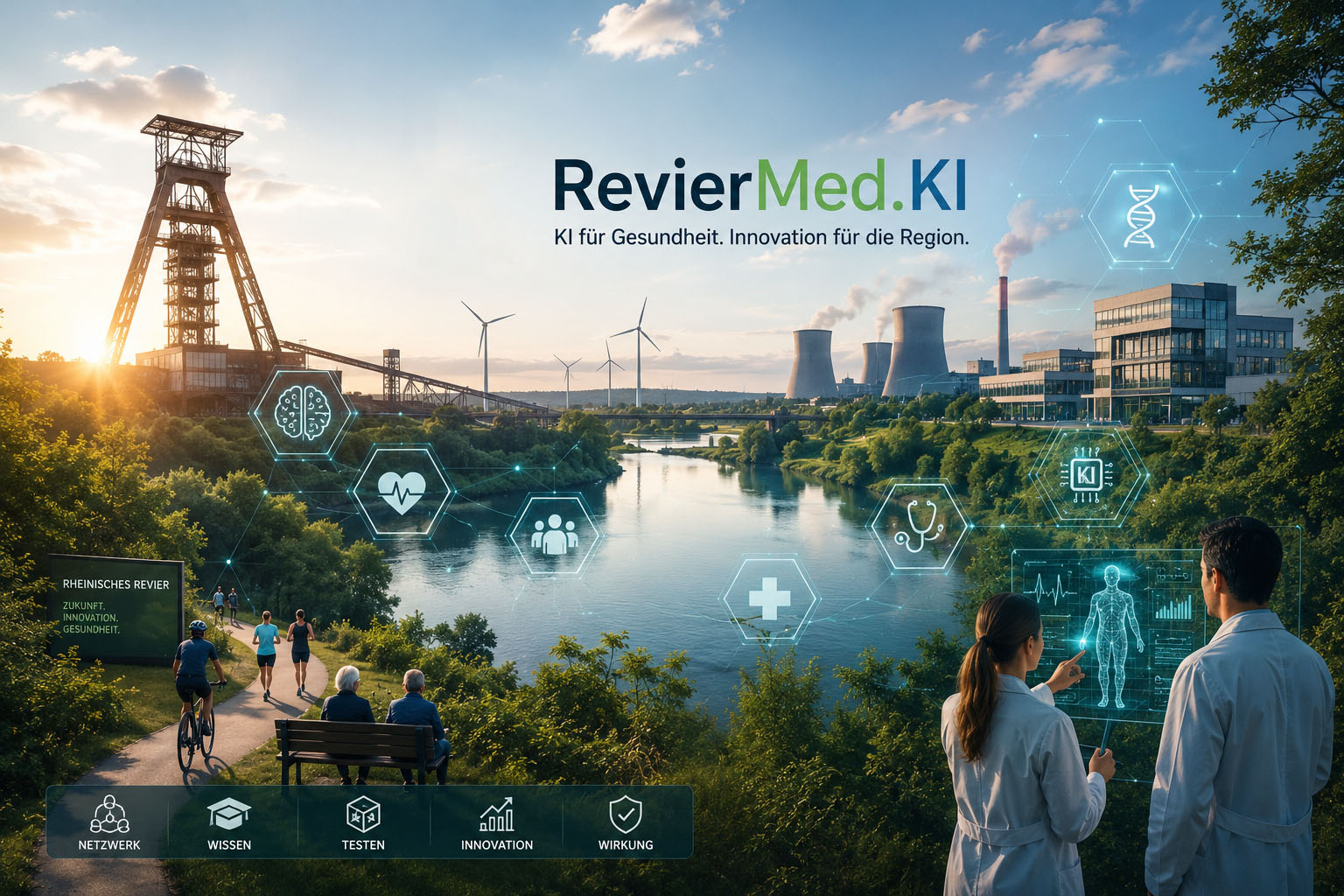
Artificial intelligence is one of the key technologies in the healthcare sector. The RevierMED.KI project aims to establish an innovation ecosystem in the Rhenish mining region that supports start-ups in the development, testing, and market launch of AI-based health applications. The focus is on addressing challenges such as access to structured healthcare data, regulatory requirements, the development of testing environments, and fostering connections between research and clinical practice. RevierMED.KI strategically positions the Rhenish mining region as a digital health hub specializing in AI-based health applications. It is developing an ecosystem that attracts innovative, research-oriented healthcare start-ups and connects them with key stakeholders in order to (1) create new value chains and highly skilled jobs in the region and (2) improve medical care within the region and in neighboring areas through AI-based applications.
Project partners: Healthlab NRW (Lead Partner), RWTH Aachen University (Institute for Technology and Innovation Management), Ruhr University Bochum (Chair of Digital Health), TÜV AI Lab (Berlin), Region Aachen Joint Authority, Center for Integrated Oncology (University Hospitals of Düsseldorf, Aachen, Cologne, and Bonn), FZI Research Center for Information Technology (Karlsruhe), Innoloft GmbH (Aachen), Schütte Software & Ventures UG (Dormagen), helpwave GmbH (Aachen), Caona health GmbH (Viersen), Fimo health GmbH (Bonn).
The concept phase of the RevierMED.KI project is funded by the Federal Ministry for Research, Technology and Space (BMFTR).
TeleHeart Euregio Rhine-Waal | TeleHeart Euregio Rijn-Waal
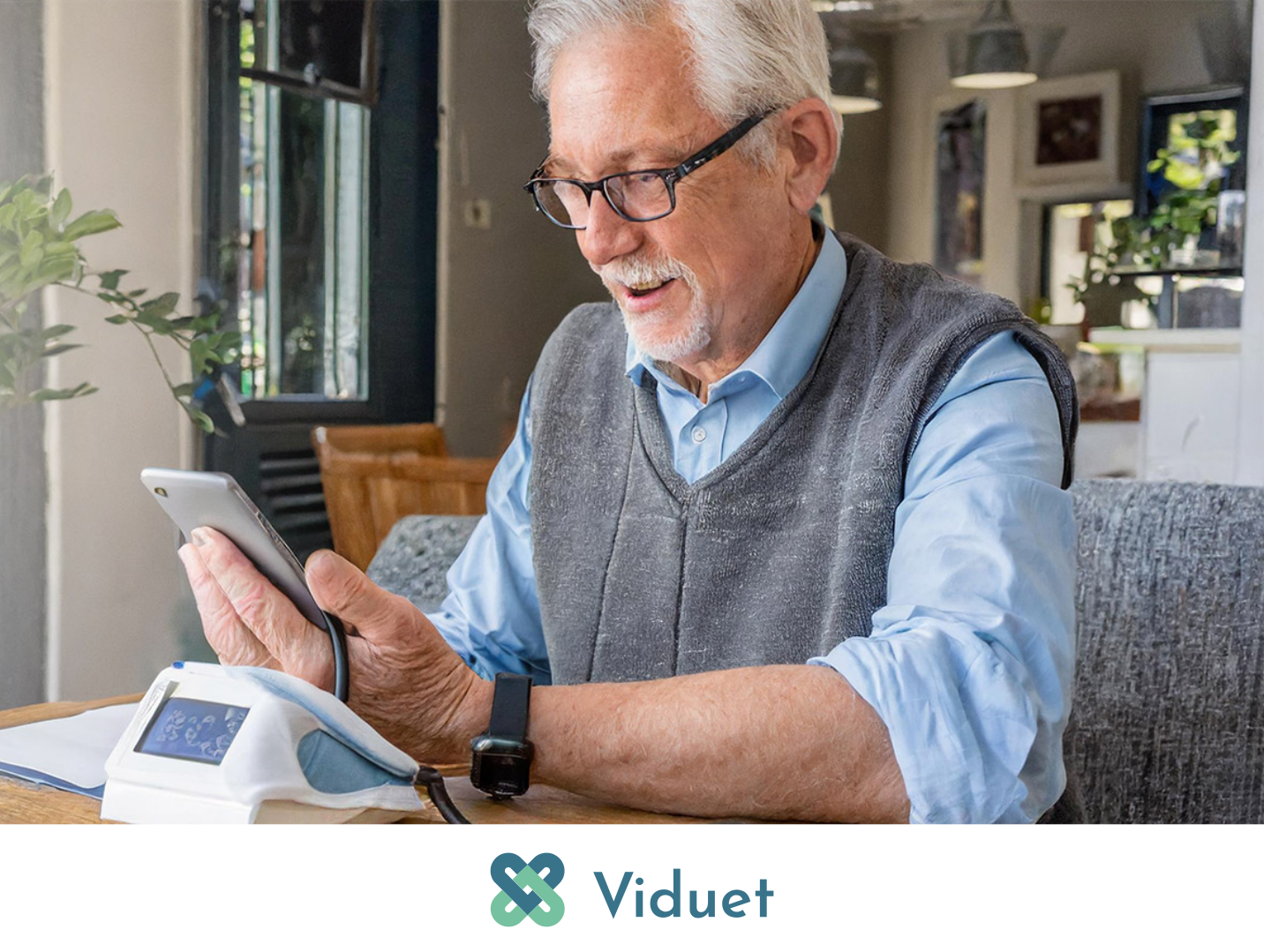
Chronic heart failure is one of the leading causes of hospitalization and reduced quality of life in older adults. Digital telemonitoring applications enable the close monitoring of relevant health data and can help detect deterioration at an early stage. The Dutch company Viduet Health B.V. has developed an innovative telemonitoring platform that is already being successfully used in several cardiology facilities in the Netherlands. The project facilitates a cross-border exchange between Dutch professionals (including cardiologists, general practitioners, and nursing staff) who already use Viduet in their practice and German professionals who have no prior experience with telemonitoring in outpatient heart failure care. The aim is to develop joint recommendations for the use of digital telemonitoring solutions in the Rhine-Waal Euregio and to strengthen modern, cross-border healthcare.
Project partner: Viduet Health B.V.
The “TeleHeart Euregio Rhein-Waal | TeleHeart Euregio Rijn-Waal” project is made possible by the Interreg Germany-Netherlands programme and its programme partners, and is co-financed by the European Union (EU).

DigiHealthStart.NRW – Building a Digital Health Ecosystem in NRW
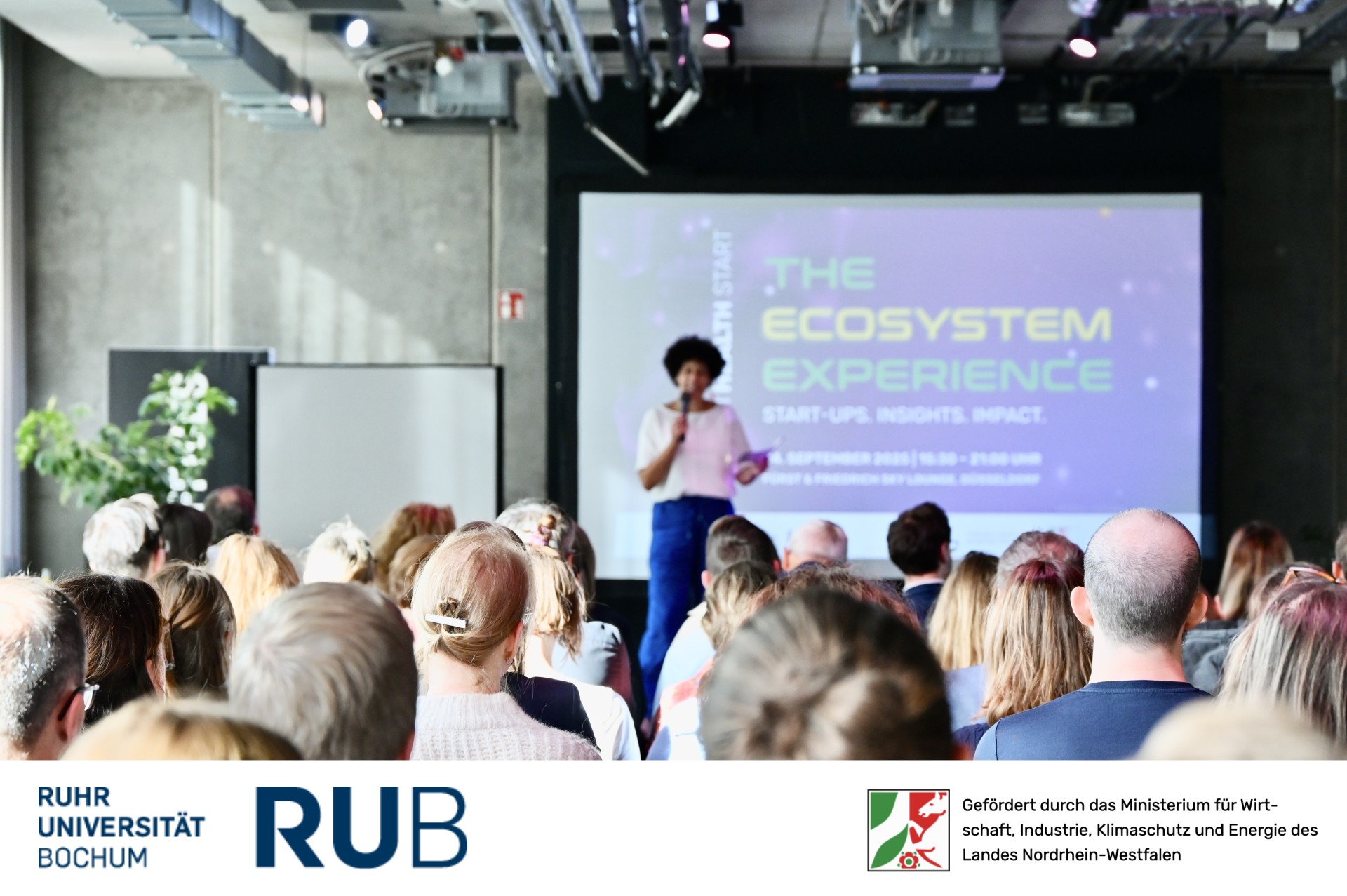
The initiative Digital Health Ecosystem NRW – Focus Start-ups 2025 is building a sustainable ecosystem for start-ups in the Digital Health sector. This includes developing and establishing sector-specific support, networking, co-creations and training services. Continuous monitoring accompanies this development and provides recommendations for policymakers, the business sector, and the research community. As part of the project, Healthlab NRW is establishing competence networks and various co-creation formats that bring start-ups together with patients and healthcare stakeholders at an early stage to jointly test technological innovations. In addition, Healthlab NRW is developing various sector-specific e-learning programs for Digital Health startups in NRW.
Project partner: Ruhr University Bochum, Faculty of Medicine, Junior Professorship for Health and eHealth
Funded by: Ministry for Economic Affairs, Industry, Climate Action and Energy (MWIKE) of the State of North Rhine-Westphalia
New Energy after Breast Cancer: Development of an Integrative Lifestyle Workshop
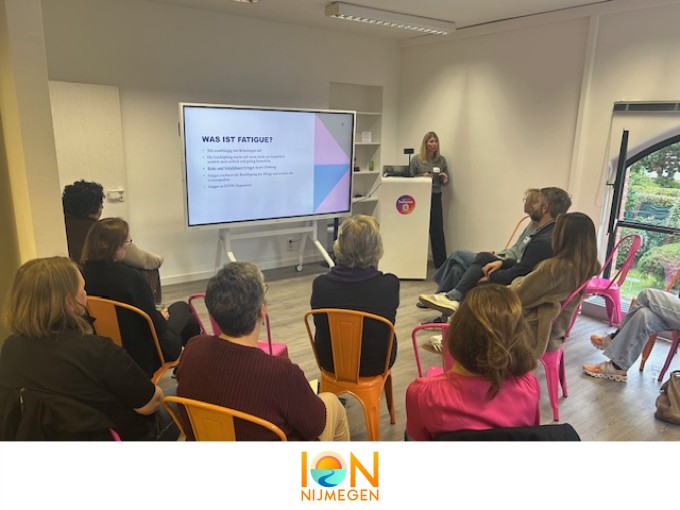
Fatigue is one of the most common and burdensome long-term effects after breast cancer. Previous studies and needs assessments show that many patients in Germany and the Netherlands are looking for practical ways to regain energy and quality of life. Lifestyle interventions focusing on exercise, nutrition, sleep, and mental health can have a positive impact on fatigue. The project aims to analyze the breast cancer aftercare needs of patients with fatigue and to develop a integrative lifestyle workshop.
Project partner: Stichting Integrale Oncologische (Na)zorg ION, Nijmegen / Netherlands
The project “New Energy after Breast Cancer – Nieuwe energie na borstkanker” is supported by the Interreg program Germany–Netherlands and its program partners and co-financed by the European Union (EU).
Care and Mobility Innovation (CMI)
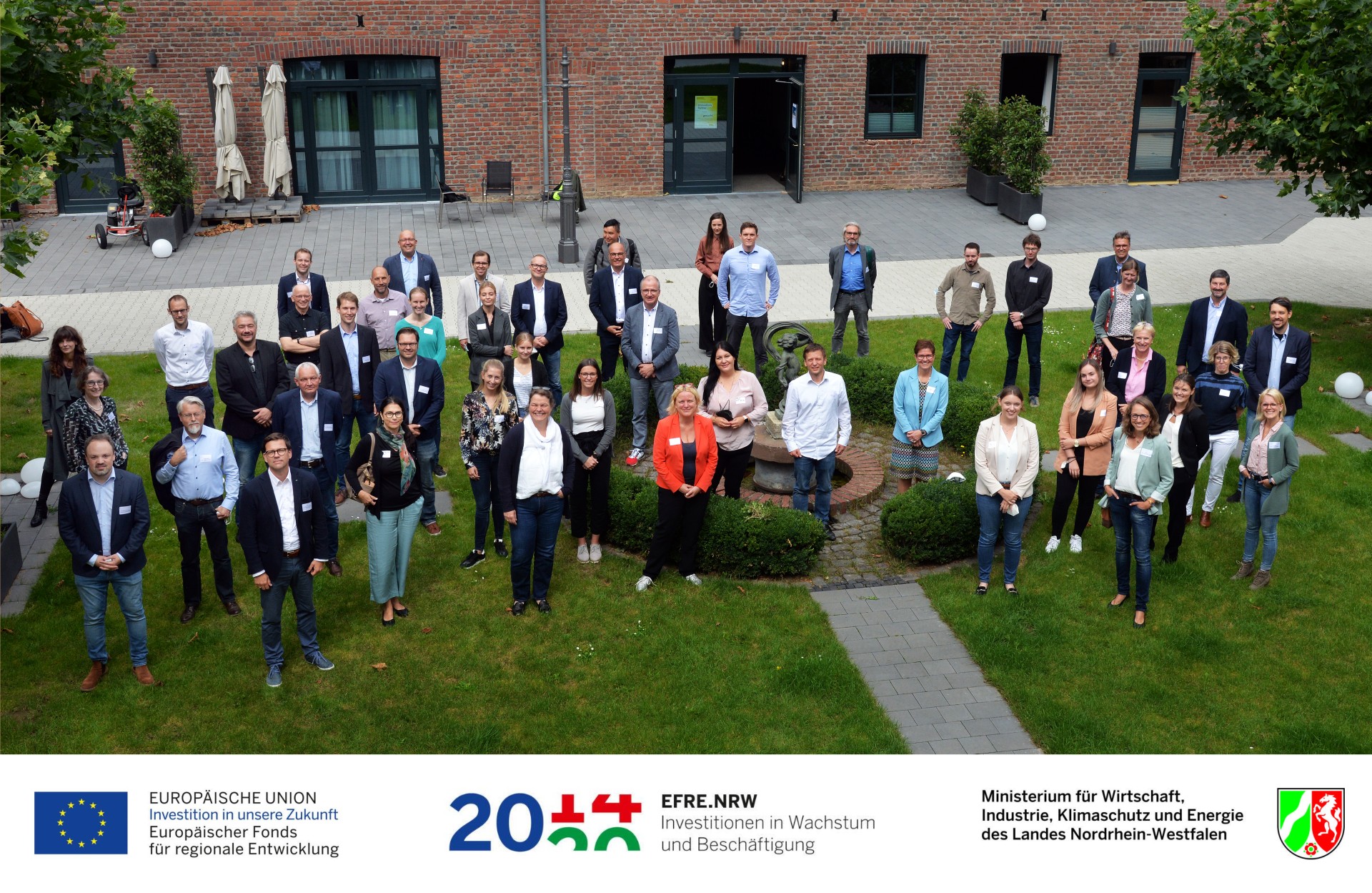
The Care and Mobility Innovation project develops solutions to ensure quality care and smart mobility in the innovative Aachen region. Its goal is to integrate digital and technological innovations, products, services, and processes into the healthcare and mobility systems of the future. Partners from science, business, and municipalities across the Aachen economic region have joined forces for this project. Together, they aim to use innovation transfer not only to boost economic growth but also to improve people’s lives in the region. As part of this initiative, Healthlab NRW conducted strategic workshops with regional healthcare stakeholders, carried out a potential analysis, and prepared an innovation report for the regional healthcare market.
With financial support from the State of North Rhine-Westphalia and the European Union
DIGITALIS: Digital Implicit-Motor Learning Strategies after Stroke
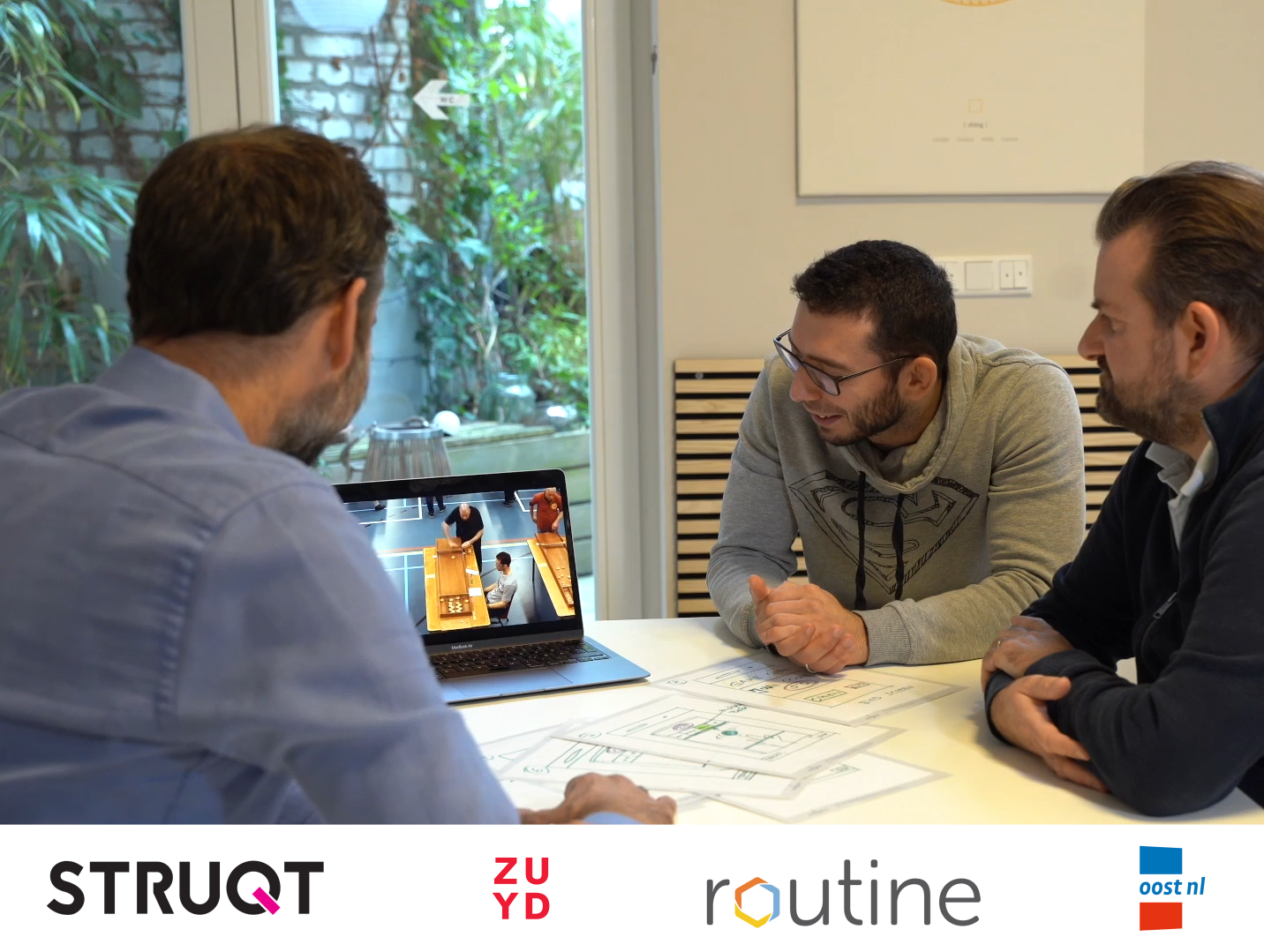
Motor learning strategies can positively support rehabilitation after stroke. However, therapists and patients often find it difficult to apply these strategies in everyday care, due to a lack of supporting (digital) tools. This Dutch-German project aims to develop and test a first prototype of a digital application for arm and hand training after stroke using implicit learning strategies, created in co-creation with the end users.
With financial support from the Interreg project Digipro, funded by the INTERREG V A program “Germany–Netherlands” through the European Regional Development Fund (ERDF).